Posted on

The AI-OnlyFans Hustle That Made One Single Mom $250,000

From Homeless to $250,000: How One Single Mom Built Wealth Through AI-Only Modeling

There’s a quiet revolution happening—and it’s changing the way everyday women, especially mothers, build wealth on their own terms.

Gone are the days when creating income meant clocking in, clocking out, or being visible to the world in ways that didn’t feel safe or empowering. Today, we’re seeing something remarkable: women using technology as a tool for financial freedom, privacy, and creative expression.

And one of the boldest examples of this shift?
A single mom who turned her rock bottom into a launchpad—by building an AI-generated modeling persona on OnlyFans that brought in over $250,000.

This isn’t a celebrity or a tech genius. She’s a regular mother who decided enough was enough—and used the power of artificial intelligence to protect her identity, maintain her boundaries, and finally thrive financially.

Let’s talk about how she did it—and how other mothers are following her lead.


The Backstory: A Rock Bottom Moment

At one point, she was nearly homeless. Trying to stretch every dollar, balancing motherhood and survival, wondering how she would ever create something better for herself and her children. Like many women, she had heard of platforms like OnlyFans—but didn’t want to expose herself online. The judgment, the visibility, the safety concerns—it wasn’t worth the tradeoff.

But when she learned about AI-generated personas, everything shifted.

She realized she could create an entirely fictional digital model—a character that looked real, had her own personality and style, and could interact with fans without ever showing her real face, name, or voice.

What started as curiosity became a powerful source of income.


How She Did It – And How You Can Too

✨ She created a digital character, not herself.
Using tools like MidJourney to generate images and text-to-voice software for personality, she built a believable, beautiful AI woman that served as her online persona. She designed everything—from her model’s backstory and tone of voice, to her fashion, poses, and expressions.

✨ She used AI tools that are free or low-cost.
Instead of professional cameras or studio shoots, she used AI image generators to create photosets in minutes. When she wanted to upgrade to video and voice? Tools like HeyGen and ElevenLabs gave her realistic results without needing to show up on camera.

✨ She launched her account with confidence.
She joined OnlyFans, using her digital model for the content. By staying consistent, engaging through direct messages (that she personally approved), and offering creative packages like custom photo sets, she built a steady fanbase.

✨ She protected her privacy every step of the way.
Because her model didn’t look like her and her real name was never shown, she stayed completely anonymous. And yet, the model felt real, relatable, and entertaining—which is exactly what subscribers loved.


The Results: A $250,000 Success Story

In less than a year, her AI model had generated over $250,000. Through a mix of monthly subscriptions, pay-per-view content, tips, and custom offers, she turned her AI persona into a real, sustainable business.

She didn’t have to leave her children.
She didn’t have to show her body.
She didn’t have to pretend to be anyone but herself—behind the scenes.


Why This Works for Moms Like You

This isn’t just about income. It’s about freedom, choice, and self-protection.

✅ You don’t have to be tech-savvy to start
✅ You stay in full control of your identity and image
✅ You work when you want, from wherever you want
✅ You create a character that fits your comfort level—sweet, spicy, funny, fantasy, or completely unique

The best part? Your face doesn’t have to be the product. Your creativity is.


The Guide That Breaks It All Down

If this has you curious (or excited!), you’re not alone. That’s why I created something special to help you get started.

It’s called:

“Monetizing AI Personas: Your Step-by-Step Guide to Earning with AI Models”

This guide is designed for moms, creatives, and women who want to explore this new wave of digital income in a safe, fun, and strategic way.

Inside, you’ll get:

  • A beginner-friendly breakdown of AI modeling
  • A list of AI tools to generate photos, video, and voice
  • Step-by-step tips on setting up an anonymous profile
  • Strategies to grow your fanbase and earn consistently
  • Real insights into what content works and what doesn’t
  • Smart ways to stay private, ethical, and confident

Whether you want to test it as a side hustle or go all in, this guide gives you everything you need from start to finish.


💡 You Deserve Options.

This isn’t about being perfect. It’s about being free.
You can be a present mom and still build wealth.
You can explore tech without being an expert.
You can create something powerful without showing your face.


📥 Download “Monetizing AI Personas” Now

👉🏾 Click here to get the guide and start building your AI model today

You’ve taken care of everyone else.
Now it’s your turn to build something for you.

Let your creativity lead. Let AI do the heavy lifting.
Let your next income stream begin. 💼✨


🫶🏽

https://theglowtribe.gumroad.com/l/ualuyu

Posted on

How a Single Mom Made $250K with AI-Only Modeling on OnlyFans

How a Single Mom Made $250K with AI-Only Modeling on OnlyFans


From Homeless to $250,000: How One Single Mom Built Wealth Through AI-Only Modeling


In today’s digital age, creative paths to financial freedom are opening in ways we never imagined. One inspiring story: a single mom transformed her situation—going from nearly homeless to earning $250,000—by launching an AI-only modeling persona on OnlyFans.


How She Did It:

  • Using AI, not herself:
    The mom created a unique, fictional AI character to serve as her face and presence online. Using tools like MidJourney for visual design and text-to-speech systems, she crafted a full persona that required no physical appearances.
  • Launching on OnlyFans:
    Through safe anonymity and smart content strategy, her AI model engaged subscribers, offering personalized images and chat-based experiences—generating consistent income.
  • Reaching $250K:
    Within months, the model’s popularity translated into high earnings. The subscription model, pay-per-view content, and tips added up to a total of $250,000, all without the creator ever revealing her identity or sacrificing privacy.

Why This Works for You:

  • No face-needed modeling
  • Maintains anonymity and independence
  • Offers flexible work around motherhood
  • Utilizes accessible and affordable tools

Ready to Start Your Own AI Model?

I’ve packed every step you need into a comprehensive guide called “Monetizing AI Personas: Your Path to Passive Income.” Whether you’re a mom craving financial stability or just exploring digital freedom, this guide covers it all:

  • How to design a captivating AI model
  • Which platforms are AI-friendly
  • Content strategies for attracting and keeping subscribers
  • Tools for visuals and voice generation
  • Pricing and monetization techniques

Download it today and start building your AI empire.


Call to Action:
👉 Download “Monetizing AI Personas” now and begin your AI-only modeling journey—no camera required!
Take control of your story, create on your terms, and watch your potential become profit.

Posted on

🍼 Grading Birth: How “Maternity Care Report Cards” Are Changing the Game for Black Mothers

Maternity Report Card - maternal disparities for Black Mothers.

For too long, Black mothers have carried the weight of an unequal healthcare system—one that often dismisses our pain, ignores our needs, and fails to protect us during one of life’s most sacred transitions: birth.

But now, a new tool is emerging that could change the way we give birth in America—one hospital at a time.

Welcome to the era of Maternity Care Report Cards—a bold step toward accountability, equity, and transparency in maternal health.


✨ What Are Maternity Care Report Cards?

Maternity Care Report Cards are structured evaluations that rate hospitals and states on the quality and equity of their maternal care. Think of them as a grading system for birth facilities—where patients, advocates, and lawmakers can see exactly how a hospital or region is doing when it comes to protecting mothers and babies.

These report cards are still new, but they’re growing fast—and they’re already proving to be a powerful tool in the fight against Black maternal health disparities.


📊 What Do They Measure?

Each report card varies depending on the organization or state, but many include the following:

  • Maternal mortality and morbidity rates
  • C-section rates and birth complications
  • Access to doulas and midwives
  • Racial disparities in birth outcomes
  • Hospital diversity, equity, and inclusion practices
  • Patient safety protocols
  • Mental health screenings and support
  • Patient satisfaction and respectful care metrics

Some report cards go deeper, examining hospital policies around allowing support people (like doulas), how staff are trained in cultural humility, or whether translation services are available for non-English-speaking mothers.

These aren’t just numbers—they’re stories of survival, neglect, healing, and transformation.


🗺️ Where Are They Being Used?

Several states and national organizations are stepping up with their own versions of maternity care scorecards. Here are a few making headlines:

🟪 Connecticut

In 2025, Connecticut introduced a groundbreaking bill that would require all hospitals to publish annual Maternity Care Report Cards. The bill includes a focus on racial equity, staff diversity, and patient safety, and aims to empower mothers with the information they need to make the best decisions about where to give birth. It also removes barriers to doula access and proposes a Perinatal Mental Health Task Force to address emotional care after childbirth.

🟨 New Jersey

New Jersey was one of the first states to launch hospital-level maternal report cards through its Nurture NJ initiative in 2022. These scorecards highlight complication rates, racial disparities, and support services across birth facilities, helping parents choose safer options and pushing hospitals to improve care.

🌐 Nationally

  • The Policy Center for Maternal Mental Health releases annual State Mental Health Report Cards, which assess perinatal mental health support systems across all 50 states. In 2025, the U.S. received a national average grade of C‑, with 19 states earning a D or F.
  • The Leapfrog Group issues scorecards on childbirth practices, including unnecessary C-sections and hospital safety protocols.
  • March of Dimes publishes annual state-level reports on preterm birth rates, infant health, and health policy gaps—highlighting where states are falling short and where they’re making progress.

🖤 Why This Matters for Black Mothers

Black women in America are nearly three times more likely to die from pregnancy-related causes than white women. The reasons? Structural racism, bias in healthcare, lack of access to culturally competent care, and systems that fail to listen to Black mothers when they speak up.

Maternity Care Report Cards shine a bright light on the problem and help us move toward real solutions:

  • They amplify accountability in hospitals.
  • They inform mothers and families about where they’ll be treated with respect.
  • They support advocacy efforts that are already led by Black women and birth workers.
  • And most importantly—they put data in the hands of the community, where it belongs.

These scorecards are not a cure-all—but they are a step in the right direction. A tool for justice. A way to honor Black motherhood by demanding better.


✊🏾 What Comes Next?

As more states consider implementing report cards, and as more mothers demand transparency and safety, this movement will grow. But change also starts with awareness.

So share this post.
Talk about this with your sisters, daughters, doulas, and friends.
Ask your hospital what they’re doing to improve maternal care.
And when the time comes—demand the grade.

Because when we hold the system accountable, we protect our legacy.


Sources:

Lakischa Smith, Creator of Moms of Color

Posted on

When Pain Speaks Loudly: What Parents Can Learn from Kanye West’s Recent Confession

Recently, artist and cultural figure Ye (formerly known as Kanye West) made headlines after releasing a song and social media post describing troubling sexual experiences that took place during his childhood. While the full scope and context of these events are still being processed by the public, the emotional weight of his message reveals something deeper—the often hidden wounds of childhood exposure to sexuality and the silence that can follow for years.

As parents, caregivers, and community leaders, moments like these urge us to pause—not to judge or debate someone’s truth—but to reflect on how we can create safer, more emotionally healthy environments for our own children. Here’s what we can take away:


1. Early Exposure Matters

Ye shared that he and a cousin were exposed to adult materials found in the home, which led to inappropriate behaviors between them. This is not uncommon. Research shows that early exposure to sexual content—especially without context or adult guidance—can confuse a child’s understanding of healthy relationships and boundaries.

What Parents Can Do:

  • Monitor what your children have access to in the home (online, magazines, etc.).
  • Use age-appropriate language to begin early conversations about bodies, privacy, and respect.
  • Let them know they can ask you questions without fear or shame.

2. Curiosity Needs Guidance

Children are naturally curious about their bodies and relationships. Without trusted adults to guide them, they may turn to each other, media, or misinformation. Ye’s experience reminds us of how important early and honest communication is.

What Parents Can Do:

  • Teach children that curiosity is normal, but boundaries are essential.
  • Reinforce the idea of personal space and the right to say “no.”
  • Use books or resources designed to teach kids about healthy touch and consent.

3. Guilt Can Last for Years

Ye expressed a heavy burden of guilt, linking those early childhood experiences to his cousin’s later struggles. Whether or not there’s a direct link, it highlights how unprocessed trauma or confusion in childhood can manifest in adulthood in complex ways.

What Parents Can Do:

  • If your child shares something uncomfortable or confusing, stay calm and listen with care.
  • Don’t dismiss or punish their honesty—validate their feelings.
  • Seek professional support if your child has experienced or witnessed something inappropriate.

4. Your Child Needs a Safe Space to Talk

One of the most heartbreaking parts of many abuse stories—whether direct or indirect—is the silence. Sometimes children don’t even realize something was inappropriate until years later. Your job is to make it clear they can always come to you.

What Parents Can Do:

  • Regularly check in with your children about how they’re feeling—emotionally and socially.
  • Use open-ended questions like, “Has anyone ever made you feel weird or uncomfortable?”
  • Emphasize that they will never be in trouble for speaking up.

5. Healing Requires Compassion and Truth

Ye’s revelation is raw and deeply personal. Whether you agree with how he shared it or not, it’s a reminder that healing doesn’t always come in perfect packaging. Many adults are walking around with childhood wounds that were never addressed.

What Parents Can Do:

  • Address your own trauma if you haven’t already. Your healing helps you parent better.
  • Consider family therapy if there are past or present issues that need attention.
  • Show your children what it looks like to feel pain, express it safely, and grow from it.

In Closing

This isn’t just about a celebrity’s story—it’s about all of our stories. It’s about breaking cycles of silence, shame, and misunderstanding. As parents, you have the power to shape the environment your children grow up in—one where truth is welcomed, and safety is a daily practice.

If you or someone you know needs help navigating a similar experience, please reach out to resources like:

  • National Sexual Assault Hotline: 1-800-656-HOPE (4673)
  • Childhelp National Child Abuse Hotline: 1-800-422-4453
  • RAINN (Rape, Abuse & Incest National Network): www.rainn.org

Your child’s emotional safety starts with awareness, honesty, and love. Let this moment remind us to listen a little closer, talk a little more often, and protect a little more fiercely.

Lakischa Smith creator of Moms of Color

Posted on

Hood Healing: Self-Care for Moms Who Grew Up in Chaos

Hood healing

Hood Healing: Self-Care for Moms Who Grew Up in Chaos

Motherhood is hard enough, but when you grew up in chaos, it can feel like you’re constantly trying to rewrite your story while living it. Maybe you had to raise yourself, maybe love felt conditional, or maybe survival mode was your default setting. But guess what? You’ve made it through every challenge thrown your way—and that means you have the strength to change your mindset, redefine your life, and use your past as fuel for your future.

Turning Pain into Purpose

Hood healing isn’t just about coping—it’s about thriving. It’s about smiling through the chaos not because life is easy, but because you refuse to be broken by it. Your past doesn’t define you; it prepares you. Every hardship you’ve endured has built resilience, and that resilience is your greatest asset.

How to Reframe Your Struggles & Use Them for Growth

1. Recognize Your Power

You have survived things that would have broken others. Instead of seeing yourself as someone who suffered, see yourself as someone who overcame. Remind yourself: If I made it through that, I can make it through anything.

2. Reframe Your Story

Instead of saying, I went through hard times, try saying, I learned valuable lessons that made me stronger. Your past isn’t just pain; it’s a blueprint for your growth and a reminder of how far you’ve come.

3. Use the Chaos as Motivation

The things that once held you back can now push you forward. If you grew up without stability, you can create it for yourself and your children. If you were told you weren’t enough, prove to yourself that you are more than enough. Your struggles aren’t obstacles—they’re stepping stones.

4. Build a Mentality of Abundance

Instead of focusing on what you lacked, focus on what you’re creating. Healing is about choosing joy, even when it’s hard. It’s about seeing the good, finding laughter in the madness, and knowing that better days are ahead.

5. Smile Through It, But Feel Through It Too

Healing doesn’t mean ignoring your pain—it means transforming it. Laugh when you can, cry when you need to, and remember that both are signs of strength. Your emotions are valid, and your healing journey is uniquely yours.

The Mindset Shift That Changes Everything

When you stop seeing yourself as someone who’s struggling and start seeing yourself as someone who’s winning, everything changes. Your past didn’t break you—it prepared you. Your hardships didn’t define you—they refined you.

You are strong, you are capable, and you have the power to turn your past into purpose.

Final Thoughts

You are not just surviving—you are thriving. You are not just pushing through—you are rising. And every time you choose to smile, heal, and move forward, you are breaking cycles and creating a better future for yourself and your children. The chaos may have shaped you, but it does not own you.

Take a deep breath, mama. You are unstoppable.

With Love, Lakischa Smith

Meet Lakischa Smith, a proud mother and a dedicated public health advocate. With a Bachelor’s from Dillard University and a Master’s in Public Health from Florida International University, she’s committed to sharing honest narratives about black motherhood. Lakischa believes in fostering sisterhood to combat the pervasive forces of white supremacy, and empowering African American women to be agents of change for future generations. She asserts that recognizing and addressing our community’s struggles is crucial, for healing is the key to moving forward. Armed with the power of education and a deep belief in collective action, Lakischa is determined to ensure that the issues impacting African American parenthood aren’t just seen—they’re addressed and resolved.

Posted on

Moon Cycles & Motherhood: Honoring Your Natural Rhythms

Moon Cycles & Motherhood: Honoring Your Natural Rhythms

Moon Cycles & Motherhood: Honoring Your Natural Rhythms

Did you know the moon can help guide us in how we feel and move through life? Just like the moon changes in the sky, our bodies and emotions also have cycles. For moms, paying attention to the moon’s phases can be a great way to find balance, take care of ourselves, and feel more connected to nature.

Understanding Moon Cycles

The moon moves through different shapes every month. These are called phases. Each phase has a different energy that can affect how we feel:

  1. New Moon 🌑 – A time to rest and set goals. Think of it as a fresh start!
  2. Waxing Moon 🌒 – This is when the moon grows bigger. It’s a great time to try new things and be creative.
  3. Full Moon 🌕 – The moon is at its brightest! This is when we have the most energy and feel excited.
  4. Waning Moon 🌘 – The moon starts getting smaller. This is a time to slow down, let go of stress, and relax.

How Moms Can Use Moon Cycles

The moon can remind us when to work hard and when to take a break. Here’s how you can follow the moon to help with parenting and self-care:

  • New Moon: Take some quiet time for yourself. Set small goals for the month ahead.
  • Waxing Moon: Try fun activities with your kids! Paint, cook, or start a new hobby.
  • Full Moon: Plan family time! Have a game night, go outside, and enjoy feeling full of energy.
  • Waning Moon: Clean up your home, do a relaxing activity, and get ready for the next cycle.

Does Science Support This?

Some people believe the moon affects our sleep, moods, and energy. Studies show the full moon might change how well we sleep and make people feel more awake. However, there is no strong proof that periods and moon cycles are always linked. Scientists are still learning more about this!

Easy Ways to Follow the Moon

  1. Keep a Moon Journal – Write down how you feel during different moon phases.
  2. Have a Moon Night – Pick one night a month to go outside, look at the moon, and talk about feelings with your kids.
  3. Plan Your Schedule with the Moon – Try new things when the moon is growing and rest more when it’s getting smaller.

Final Thoughts

Paying attention to the moon can help moms feel more balanced and in control. It’s a fun and natural way to stay connected with yourself and your family. Next time you see the moon, think about how it might be guiding you!

With Love, Lakischa Smith

Meet Lakischa Smith, a proud mother and a dedicated public health advocate. With a Bachelor’s from Dillard University and a Master’s in Public Health from Florida International University, she’s committed to sharing honest narratives about black motherhood. Lakischa believes in fostering sisterhood to combat the pervasive forces of white supremacy, and empowering African American women to be agents of change for future generations. She asserts that recognizing and addressing our community’s struggles is crucial, for healing is the key to moving forward. Armed with the power of education and a deep belief in collective action, Lakischa is determined to ensure that the issues impacting African American parenthood aren’t just seen—they’re addressed and resolved.

Posted on

Why Every Mom Deserves a Solo Date (And How to Plan One!)

Why Every Mom Deserves a Solo Date (And How to Plan One!)

Why Every Mom Deserves a Solo Date (And How to Plan One!)

Motherhood is a beautiful journey, but it can also be exhausting, overwhelming, and all-consuming. As moms, we pour so much into our children, partners, and responsibilities that we often forget to pour into ourselves. That’s why every mom deserves a solo date—a special time dedicated to self-care, self-discovery, and pure enjoyment without any guilt.

The Importance of Solo Dates for Moms

  1. Reconnecting with Yourself – When was the last time you did something just for you? Solo dates give you the space to remember who you are beyond being a mother.
  2. Reducing Stress – Stepping away from responsibilities, even briefly, can refresh your mind and spirit, helping you to show up as a more present and energized mother.
  3. Boosting Confidence – Spending time alone builds self-love and reminds you that you are enough, just as you are. Engaging in activities that bring you joy fosters a sense of self-worth.
  4. Modeling Self-Care – When your children see you taking care of yourself, they learn the importance of balance and boundaries. This teaches them that self-care is not selfish but necessary.
  5. Enhancing Creativity – Time alone allows your mind to wander and explore new ideas. You may discover new interests, hobbies, or solutions to challenges in motherhood and life.

How to Plan the Perfect Solo Date

1. Choose a Date & Time

Pick a time that works best for you and commit to it—just like you would for any important appointment. Treat it as sacred time for yourself, and don’t let other obligations take priority over it.

2. Decide on Your Activity

Your solo date should be something that brings you joy and relaxation. Here are some ideas:

  • Café or Bookstore Visit – Enjoy a warm drink and a good book, or simply soak in the peaceful atmosphere.
  • Spa Day or Bubble Bath Night – Pamper yourself with a luxurious bath, face mask, or even a professional spa treatment.
  • Nature Walk or Beach Stroll – Reconnect with peace and nature by taking a walk in a park or along the shore.
  • Movie Night (Alone!) – Watch that film you’ve been wanting to see without interruptions or compromise.
  • Creative Escape – Try painting, journaling, knitting, or a fun DIY project to spark creativity.
  • Music and Movement – Dance freely in your living room, do yoga, or attend a dance class to release energy and stress.
  • Take Yourself Out to Dinner – Enjoy a solo dining experience at your favorite restaurant. Savor the meal, and enjoy your own company.
  • Staycation or Mini-Retreat – Book a night at a hotel or an Airbnb for an extended solo experience away from your usual surroundings.

3. Set the Mood

Make it special! Wear something that makes you feel confident, play your favorite music, and fully embrace the experience. Treat yourself the way you deserve to be treated—this is your moment to feel valued and cared for.

4. Unplug & Be Present

Turn off notifications, put your phone on silent, and allow yourself to be fully in the moment without distractions. Social media can wait—this is your personal escape.

5. Reflect & Celebrate Yourself

After your solo date, take a moment to appreciate yourself for making time for YOU. Maybe even journal about how you felt, what you enjoyed, and what you want to do next. Acknowledge that your well-being matters and that you are worthy of prioritizing yourself.

Final Thoughts

Every mom deserves joy, rest, and time to herself—not just occasionally, but regularly. A solo date is not selfish; it’s an act of self-love and an investment in your well-being. By making space for yourself, you become a more fulfilled and balanced person, which benefits not just you but your family as well.

So, what’s stopping you? Plan your solo date today, prioritize your joy, and reclaim your peace, mama!

With Love, Lakischa Smith

Meet Lakischa Smith, a proud mother and a dedicated public health advocate. With a Bachelor’s from Dillard University and a Master’s in Public Health from Florida International University, she’s committed to sharing honest narratives about black motherhood. Lakischa believes in fostering sisterhood to combat the pervasive forces of white supremacy, and empowering African American women to be agents of change for future generations. She asserts that recognizing and addressing our community’s struggles is crucial, for healing is the key to moving forward. Armed with the power of education and a deep belief in collective action, Lakischa is determined to ensure that the issues impacting African American parenthood aren’t just seen—they’re addressed and resolved.

Posted on

Sacred Sunday: How to Create a Weekly Ritual of Rest

Mother's need rest

Sacred Sunday: How to Create a Weekly Ritual of Rest

In a world that constantly demands our attention, taking time to rest is a revolutionary act. For mothers, caregivers, and anyone carrying the weight of responsibility, Sacred Sunday can be a transformative way to reclaim peace and prioritize self-care. Creating a weekly ritual of rest allows you to reset, nourish your spirit, and prepare for the week ahead with intention. Here’s how to design your own Sacred Sunday routine:

1. Set the Intention for Rest

Rest is not a luxury—it’s a necessity. Make a commitment to dedicate Sundays to stillness, peace, and rejuvenation. Let go of guilt and remind yourself that when you rest, you show up better for yourself and those around you.

2. Unplug & Slow Down

Reduce distractions by limiting social media, emails, and unnecessary obligations. Instead, engage in slow, mindful activities that bring you joy—like reading, journaling, or simply sitting in silence.

3. Create a Soothing Atmosphere

Your environment plays a huge role in relaxation. Light candles, diffuse essential oils, or play soft music. Make your space a sanctuary that invites calmness and serenity.

4. Nourish Your Body & Soul

Prepare a comforting meal or drink a warm cup of tea. Sacred Sunday is a time to honor your body—whether through stretching, deep breathing, or taking a luxurious bath. Whatever makes you feel nurtured, lean into it.

5. Engage in Reflective Practices

Journaling, meditation, or prayer can help center your mind and emotions. Take time to reflect on the past week and set loving intentions for the days ahead. Ask yourself: What do I need to release? What do I need to invite in?

6. Honor Your Boundaries

Let family and friends know that Sundays are sacred. Decline activities that drain you and instead, choose rest unapologetically. This is your time to refill your cup.

7. End the Day with Gratitude

Close out Sacred Sunday by expressing gratitude for the time you allowed yourself to rest. Gratitude shifts your focus from what’s missing to the abundance already present in your life.

Final Thoughts

A weekly ritual of rest is one of the most powerful gifts you can give yourself. Sacred Sunday is about creating space for stillness, restoration, and alignment—so that you can move through life feeling grounded and replenished.

Make it your own. Make it sacred. And most importantly, make it consistent.

Your rest matters. Honor it

With Love, Lakischa Smith

Meet Lakischa Smith, a proud mother and a dedicated public health advocate. With a Bachelor’s from Dillard University and a Master’s in Public Health from Florida International University, she’s committed to sharing honest narratives about black motherhood. Lakischa believes in fostering sisterhood to combat the pervasive forces of white supremacy, and empowering African American women to be agents of change for future generations. She asserts that recognizing and addressing our community’s struggles is crucial, for healing is the key to moving forward. Armed with the power of education and a deep belief in collective action, Lakischa is determined to ensure that the issues impacting African American parenthood aren’t just seen—they’re addressed and resolved.

Posted on

Raising Children While Healing Your Inner Child

Healing your inner child while mothering

Motherhood is a journey of love, sacrifice, and growth, but for many of us, it’s also a path toward healing wounds we didn’t even realize we had. As we nurture our children, we often find ourselves facing parts of our past that were never fully healed. The process of raising children while healing your inner child is one of the most profound and transformative experiences a mother can go through.

Recognizing the Inner Child Within You

Your inner child is the part of you that still carries the emotions, experiences, and unmet needs from your own childhood. If you grew up in an environment where emotional support was lacking, boundaries were unclear, or your needs were overlooked, those wounds don’t just disappear. Instead, they show up in how we parent, react, and handle emotions.

When you find yourself overreacting to your child’s behavior, struggling to show affection, or feeling triggered by certain situations, it may be your inner child calling out for healing. Acknowledging this is the first step toward breaking generational cycles and raising your children with more intention and love.

Healing While Parenting

So how do you navigate the delicate balance of parenting while tending to your own unhealed wounds? Here are some practical steps:

1. Give Yourself Permission to Feel

Many of us were raised in environments where expressing emotions was discouraged. Instead of suppressing your feelings, allow yourself to sit with them, process them, and validate them. When your child expresses big emotions, use it as an opportunity to remind yourself that feelings are not bad—they are simply a part of being human.

2. Reparent Yourself as You Parent

Ask yourself: What did I need as a child that I didn’t receive? More patience? More reassurance? More freedom to express yourself? Whatever it is, begin to give that to yourself now while also providing it for your child. It’s never too late to heal, and in doing so, you’re modeling emotional well-being for your little one.

3. Pause Before Reacting

Parenting can be triggering, especially if you were raised in a household where punishment or yelling was the norm. Instead of repeating patterns you experienced, practice pausing before reacting. Ask yourself, Am I responding to my child, or am I reacting from an old wound? Take a deep breath, and choose a response that aligns with the kind of parent you want to be.

4. Prioritize Self-Compassion

Healing your inner child is not about blaming yourself or your parents—it’s about awareness and growth. Be kind to yourself as you navigate motherhood and healing simultaneously. Some days you’ll get it right, and some days you won’t. That’s okay. Offer yourself the same grace you give your child.

5. Create New Traditions & Safe Spaces

One of the most powerful ways to heal generational wounds is to create new, healthier traditions with your children. Whether it’s practicing open communication, bedtime affirmations, or family check-ins, these small shifts help build a foundation of safety, love, and emotional security.

The Beauty of Breaking Cycles

Healing while raising children is challenging, but it’s also incredibly beautiful. Every time you choose patience over frustration, love over fear, and connection over control, you’re rewriting the story—not just for yourself, but for your children and the generations that follow.

You don’t have to be a perfect mother to be a healing one. By simply showing up, doing the work, and making conscious efforts to grow, you are already giving your children something priceless: a healthier, more self-aware version of yourself.

As you pour love into your children, don’t forget to pour some into yourself. Healing is a lifelong journey, and motherhood is one of its most powerful teachers.

You are doing the work, and that is enough.

With Love, Lakischa Smith

Meet Lakischa Smith, a proud mother and a dedicated public health advocate. With a Bachelor’s from Dillard University and a Master’s in Public Health from Florida International University, she’s committed to sharing honest narratives about black motherhood. Lakischa believes in fostering sisterhood to combat the pervasive forces of white supremacy, and empowering African American women to be agents of change for future generations. She asserts that recognizing and addressing our community’s struggles is crucial, for healing is the key to moving forward. Armed with the power of education and a deep belief in collective action, Lakischa is determined to ensure that the issues impacting African American parenthood aren’t just seen—they’re addressed and resolved.

Posted on

The Flame of Legacy: Are You Passing Something Worth Carrying?

The Flame of Legacy: Are You Passing Something Worth Carrying?

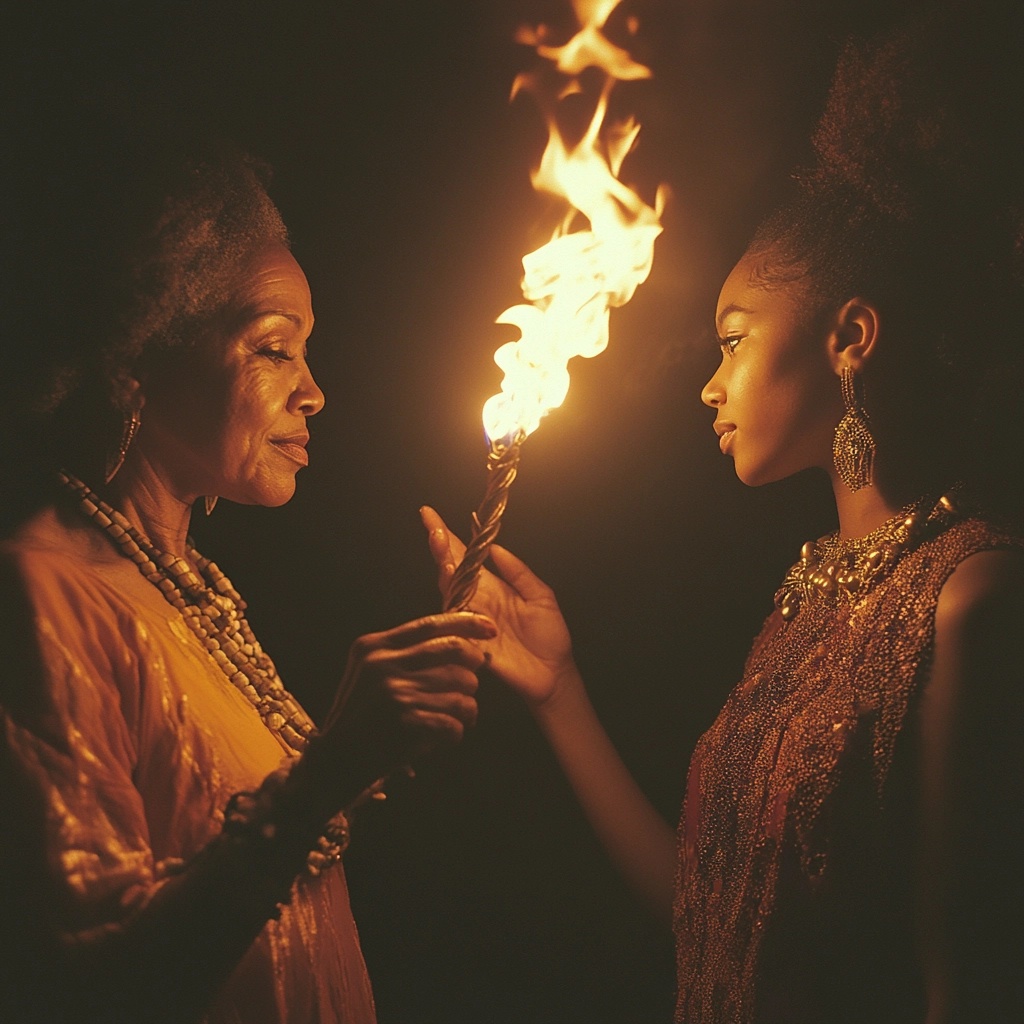
As Black mothers, we often hear the phrase “passing the torch” when it comes to raising our children. It’s a powerful metaphor—one that symbolizes handing down knowledge, values, and purpose to the next generation. But let’s take a moment to ask ourselves: Do I have a torch to pass? And, perhaps more importantly, Is my torch worth passing?

These questions aren’t about doubting ourselves as mothers—they’re about accountability and reflection. What are we teaching our children through our actions, our words, and the way we navigate the world? Are we preparing them to carry on a legacy of strength, love, and resilience, or are we unknowingly passing down fear, doubt, or unresolved pain?


What Is Your Torch?

Your torch is your legacy. It’s the values you live by, the lessons you teach, and the way you show up for your family and community. It’s built from the choices you make, the battles you fight, and the healing you commit to.

Think about it: Are you actively building a torch you want your child to carry? Is it a flame that represents empowerment, cultural pride, and the tools they’ll need to lead and make a difference? Or is it a flicker weighed down by unresolved wounds and unspoken lessons?

It’s okay if your torch isn’t perfect—none of ours are. But recognizing the areas where we can grow is the first step to creating a legacy that’s truly worth passing down.


Why the Torch Matters

The world our children are growing up in is full of challenges. They’ll face racism, systemic inequality, and moments that test their self-worth. But when they have a strong torch—a foundation of identity, resilience, and purpose—they’ll be better equipped to navigate those challenges and create change.

Our children look to us for guidance. They mimic what we do, listen to what we say (even when it doesn’t seem like it), and internalize how we handle life. When we show them what it looks like to lead with love, fight for justice, and take pride in who we are, we give them the tools to carry that flame into the future.


How to Build a Torch Worth Passing

  1. Heal Your Own Wounds
    Our children inherit more than just our genetics—they inherit our emotional and spiritual legacy. Take time to address your own pain and break cycles that no longer serve your family. Healing yourself is one of the greatest gifts you can give your children.
  2. Model Leadership
    Show your kids what it means to lead in small and big ways. Whether it’s volunteering in your community, standing up for what’s right, or simply being consistent in your values, your actions will teach them more than words ever could.
  3. Celebrate Your Culture
    Make sure your children understand the beauty of their heritage. Teach them about their history, their ancestors, and the traditions that connect them to something greater than themselves.
  4. Pass Down Tools for Change
    Equip your children with the skills and mindset to make a difference. Teach them about activism, community involvement, and the power of their voice. Remind them that they are part of a legacy of changemakers.

Preparing the Next Generation to Lead

Passing the torch isn’t just about what we teach our kids—it’s about what we leave behind. Are we creating a legacy that uplifts and empowers them? Are we showing them what it means to love themselves, their community, and their culture?

As you reflect on your torch, ask yourself: What kind of flame am I passing to my child? If it’s not yet the one you want to pass, there’s still time to build it.

At AfroYogiKids.com, we believe in creating spaces that help children build strong foundations of mindfulness, self-awareness, and cultural pride. These are the tools they’ll need to carry their torches with confidence and light the way for others.

Black mothers, the future of our communities depends on the torches we pass today. Let’s make sure our flames burn brightly, lighting a path for our children to lead, thrive, and continue building the legacy we’ve started.

With Love, Lakischa Smith

Meet Lakischa Smith, a proud mother and a dedicated public health advocate. With a Bachelor’s from Dillard University and a Master’s in Public Health from Florida International University, she’s committed to sharing honest narratives about black motherhood. Lakischa believes in fostering sisterhood to combat the pervasive forces of white supremacy, and empowering African American women to be agents of change for future generations. She asserts that recognizing and addressing our community’s struggles is crucial, for healing is the key to moving forward. Armed with the power of education and a deep belief in collective action, Lakischa is determined to ensure that the issues impacting African American parenthood aren’t just seen—they’re addressed and resolved.